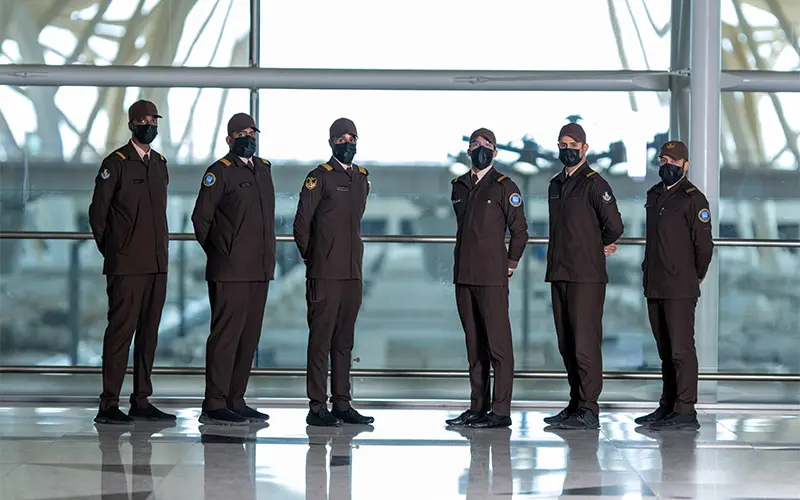
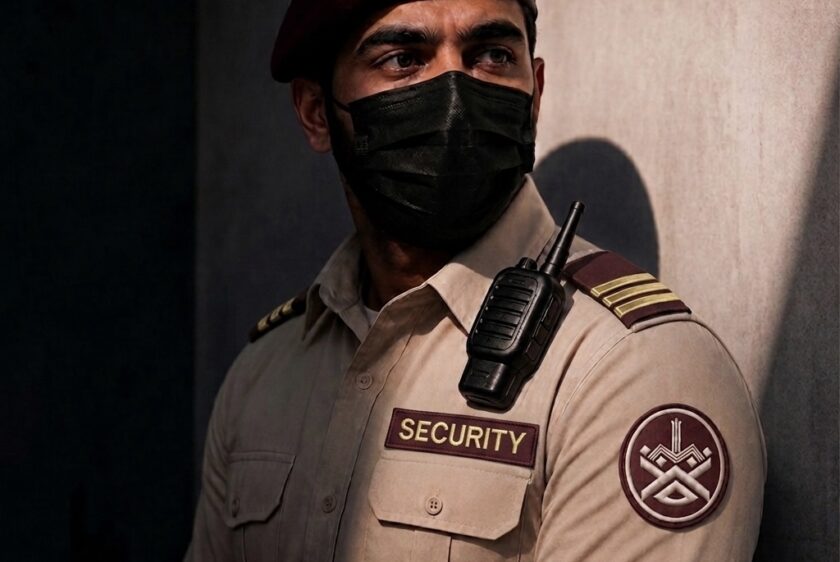
Clear principles a guard follows, and a sample code of conduct that an employer or site manager can adopt and apply.
Key Takeaways
A security guard code of conduct is a written set of principles, required behaviours and prohibited acts that govern how a guard deals with people, information and the site during a shift. It covers integrity, confidentiality, impartiality, presentation, alertness at the post, and how to handle visitors, gifts and photography, raising the standard above the legal minimum.
- Post instructions set what a guard does at a specific gate, while a code of conduct sets how the guard behaves at any site.
- A professional security guard accepts no money, gift or favour from a contractor, supplier, resident or visitor, and instead declines politely, logs the offer and informs the supervisor.
- A male security guard does not touch or search a woman, and trained female security guards handle checks at women entrances and women sites.
- A security guard code of conduct is enforced in four graded stages: briefing, supervision visits, warnings and penalties, and removal from site.
- The Saudi Labor Law requires the employer to prepare a work regulation based on the Ministry of Human Resources model that lists violations and penalties, so a code of conduct must be tied to it to be enforceable.
What is a security guard code of conduct and why put it in writing?
A security guard code of conduct is a written set of principles, required behaviours and prohibited acts that govern how a guard deals with people, information and the site during a shift. It answers a simple question: how does a professional guard behave when nobody is watching? It covers integrity, confidentiality, impartiality, presentation, alertness at the post, and how to handle visitors, gifts and photography.
It differs from post instructions: instructions say what the guard does at this gate, while the code says how he behaves at any site, and it raises the standard above the legal minimum.
- It aligns expectations between the guard, the supervisor and the site manager, so behaviour is not left to personal judgement.
- It protects the reputation of the business, because the guard is the first person a visitor meets and the last one they see.
- It makes accountability fair, since a guard is not held to a rule that was never given to him in writing.
Core principles: integrity, respect, confidentiality and impartiality
Integrity and honesty
The guard records what actually happened in the shift log, not what he wishes had happened. He does not hide a mistake, does not change the time of a patrol he did not complete, and hands over any lost property with a clear record.
Respect and courtesy with every nationality
At a Khobar residential compound, a Jubail industrial site or a Riyadh mall, a guard meets many nationalities in one shift. The rule is the same for all: a polite greeting, a calm tone, language free of mockery or discrimination, and consideration for those fasting in Ramadan and for prayer times.
Confidentiality of site information
A guard sees building layouts, delivery times, visitor details and where valuable assets are kept. This information is not discussed outside the site and is shared only with people who need it for their work.
Impartiality and no favours
Entry rules apply to everyone in the same way: a relative, a friend, a manager or a neighbour. Skipping an ID check as a favour to someone familiar is one of the most common gaps in guarding.
No force beyond lawful necessity
A professional guard starts with words, calming the situation and calling for support. Force is used only within the narrow limits the law allows to defend himself or others, stops as soon as the danger ends, and is then reported and documented.
Behaviour at the post: phones, alertness, presentation and punctuality
- Personal phone: not used at the post for private calls, browsing or watching videos. It stays on silent, and the radio or work phone is used instead.
- Alertness: no sleeping at the post or in the patrol vehicle. A guard who feels exhausted tells the supervisor and asks for relief instead of dozing off.
- Presentation: a clean and complete uniform, a visible ID card, a tidy appearance, and no eating or smoking at public facing posts.
- Punctuality: arrive before the shift starts to take over the post, and never leave it before the relief guard arrives and the log is handed over.
- Staying at the post: a guard does not leave his assigned position for personal reasons without permission and a relief.
Gifts, privacy, women visitors and photography
Gifts and conflicts of interest
A guard does not accept money, a gift or a favour from a contractor, supplier, resident or visitor in return for easier entry or overlooking a violation. He declines politely, logs the offer, informs the supervisor, and discloses any tie to a supplier or employee at the site.
Respect for privacy and family sections
In residential compounds, malls and restaurants with family sections, the guard respects family privacy: no staring and no entering a family area without a clear security reason. Visitor data and footage are handled under the Personal Data Protection Law supervised by SDAIA.
Dealing with women visitors and the role of female guards
A guard deals with women visitors respectfully and at a suitable distance, and does not touch or search a woman. Checks and searches at women entrances, women sports halls, schools and hospitals are handled by trained female security guards, who are called when needed instead of the male guard improvising.
Social media and photographing the site
A guard does not photograph the site, gates, incidents or visitors, and posts nothing about his work. One photo of a control room can reveal what he is protecting.
A sample security guard code of conduct you can adapt
This short model is a starting point. Adjust the clauses to suit your site, and ask every guard to read and sign it before taking over a post.
- 1. I am honest in everything I record and report, and I do not hide a mistake or an incident.
- 2. I treat everyone with respect and courtesy, without discrimination based on nationality, language or appearance.
- 3. I keep site information and visitor data confidential, at work, outside work and after the assignment ends.
- 4. I apply entry rules equally to everyone, and I never trade security for a favour.
- 5. I use force only within legal limits, and I put calming the situation and calling for support first.
- 6. I do not use my personal phone at the post except in an emergency.
- 7. I stay alert for the whole shift, I do not sleep at the post, and I tell the supervisor if I need relief.
- 8. I arrive on time in full uniform with my ID visible, and I do not leave before handing over the post.
- 9. I accept no gift, money or favour connected to my work, and I report any offer or conflict of interest.
- 10. I respect the privacy of families and family sections, I do not search a woman, and I call a female guard when needed.
- 11. I do not photograph the site, and I post nothing about my work on social media.
- 12. I report to the supervisor any breach of this code that I witness, by a colleague or anyone else.
How the code of conduct is actually enforced
A code pinned to a wall changes nothing on its own. Enforcement is first the responsibility of the guarding company, and it moves through four graded stages.
- Briefing: the code is explained at hiring and when moving to a new site, with a short reminder of one clause at the start of a shift.
- Supervision visits: the field supervisor checks alertness, appearance, phone use and the log during announced and surprise visits, and documents what he finds.
- Warnings and penalties: the breach is investigated in writing and the guard is heard, then the penalty set out in the company work regulation is applied, stepping up from a warning to stronger measures.
- Removal from site: for breaches that damage trust, such as taking a bribe, leaking information or repeated sleeping, the guard is replaced at once and his employment is dealt with under the law.
The Saudi legal and labour framework behind the code
The Private Security Services Law
The law issued in 1426H requires the licensed company to train and prepare its guards for their duties, requires the guard to wear the uniform set by his employer, requires guards to be Saudi nationals, and gives security authorities the right to inspect companies and guards, with penalties for violations up to cancellation of the licence.
The Saudi Labor Law and disciplinary rules
The Labor Law requires the employer to prepare a work regulation based on the Ministry of Human Resources model, listing violations and penalties, and to announce it to workers. No penalty outside it may be imposed, and none before the worker is notified in writing, questioned and heard, with caps on fines and suspension and a right to a grievance.
The law also allows ending the contract without an end of service award in specific cases after hearing the worker, including proven misconduct, breach of trust and disclosing secrets. So the code must be tied to the approved company work regulation to be enforceable.
How Qimah Security Guards applies the code
Qimah Security Guards is a licensed private security guarding company that trains and qualifies its own guards before and during deployment, with a site specific induction that covers the conduct rules there. Field supervisors check compliance, female guards are available for women sites, and anyone who breaches a trust clause is replaced.
Frequently asked questions about the security guard code of conduct
Can a security guard use a phone while on duty?
Professional practice is that a guard uses a personal phone at the post only in an emergency and relies on the work radio.
What is the penalty for a security guard sleeping on duty?
It is set by the company work regulation and usually steps up from a warning to a fine or suspension after a written investigation. At sensitive sites the guard is usually removed on the first occurrence.
Can a security guard accept gifts from residents or visitors?
No professional code recommends it. The guard declines politely, logs the offer and tells the supervisor, because a gift can turn into an expectation of special treatment at the gate.
Can a male security guard search a woman?
A male guard does not touch or search a woman. Trained female guards handle this at women entrances and sites, with the consent of the visitor, or entry is politely refused.
Is it a breach for a guard to post photos from the site?
Yes, under any professional code, because it exposes site information, may affect visitor privacy and can count as disclosing work secrets.
Related Reading
- The legal rules private security guards must follow
- What security guards are and are not legally allowed to do
- How to manage security guards effectively
- Security guard rights under the Labor Law
- Female security guard services
- How we train and qualify our guards
- Security guard duties and responsibilities
- Security guard uniform in Saudi Arabia
Guards who follow a clear code of conduct at your site
Request a site visit or a quote, and we will build the conduct rules for your site into the guarding plan with you.