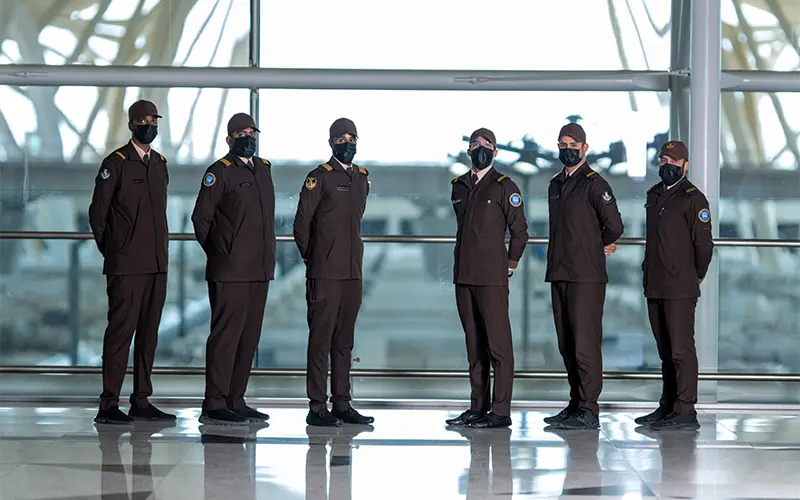
المؤهلات المطلوبة للعمل كحارس أمن في المملكة العربية السعودية محددة وقابلة للتحقيق. أما المهارات التي تجعل الشخص فعالاً باستمرار في هذا الدور فهي أكثر دقة، وأقل وضوحاً، وأكثر دلالة على النجاح المهني من المؤهلات الرسمية وحدها.
إن فهم كلا البعدين - المؤهلات الرسمية التي تثبت الشرعية والمهارات العملية التي تحدد الأداء - يعطي صورة كاملة سواء كنت تفكر في المهنة أو تقييم المرشحين ومقدمي الخدمات.
المؤهلات الرسمية
رخصة حراسة مدنية من وزارة الداخلية
هذه هي الوثيقة القانونية غير القابلة للتفاوض. يجب على أي شخص يمارس مهام الأمن التجاري في المملكة العربية السعودية أن يحمل رخصة حراسة مدنية سارية المفعول صادرة عن وزارة الداخلية.
يتطلب الترخيص ما يلي:
- استيفاء الحد الأدنى من معايير الأهلية - العمر (عادةً 21 عامًا فأكثر)، وسجل جنائي نظيف، ووثائق سارية المفعول، ولياقة بدنية أساسية
- إكمال برنامج تدريبي معتمد يغطي المعرفة القانونية، والتحكم في الوصول، وتقنيات الدوريات، والاستجابة للطوارئ، والتوثيق، والتواصل، واستخدام القوة
- اجتياز تقييم البرنامج
- تقديم طلب كامل مع المستندات الداعمة
الرخصة ملك للفرد، وليست ملكاً لصاحب العمل. وهي تنتهي صلاحيتها ويجب تجديدها. وهي الوثيقة الأساسية التي يتحقق منها العملاء المحترفون قبل إرسال أي حارس إلى مواقعهم.
المؤهلات الخاصة بالقطاع
بالنسبة للبيئات المتخصصة، يلزم أو يُتوقع الحصول على مؤهلات إضافية تتجاوز رخصة الحراسة المدنية:
أمن الطيران يجب على حراس الأمن في المطارات استيفاء متطلبات التدريب الخاصة بالهيئة العامة للطيران المدني، بالإضافة إلى المعايير الأساسية لوزارة الداخلية. ويضع الإطار التنظيمي الدولي الذي يحكم أمن الطيران معايير تدريب أعلى من تلك الخاصة بأمن الطيران التجاري العام.
البنية التحتية الصناعية والحيوية — يحتاج الحراس المنتشرين في المنشآت المصنفة ضمن فئة HCIS إلى تدريب خاص بالبيئات الأمنية الصناعية، بما في ذلك الوعي بالمواد الخطرة وإجراءات الطوارئ الصناعية.
الحماية الشخصية — يحتاج حراس الأمن الشخصي إلى برنامج تدريبي متخصص يغطي تقييم المخاطر، وتخطيط المسارات، والوعي بالقيادة الوقائية، وقدرة الاستجابة للبيئة المتنقلة التي لا يشملها أمن المباني.
أمن الرعاية الصحية — يستفيد التوظيف المهني في بيئات الرعاية الصحية من التدريب المحدد في حقوق المرضى، والتوعية بالصحة العقلية، والحساسية المطلوبة في البيئات السريرية.
وثائق سارية
بالنسبة للمواطنين السعوديين، يلزم تقديم بطاقة هوية وطنية سارية المفعول. أما بالنسبة للعاملين الوافدين، فيلزم تقديم إقامة سارية المفعول. ويجب أن تكون الوثائق سارية المفعول طوال فترة العمل.
المهارات العملية التي تحدد الأداء
تُثبت المؤهلات أن الحارس مُصرّح له بالعمل، بينما تُحدد المهارات مدى كفاءته. ولا يجتمع هذان الأمران تلقائيًا، فقد يحمل الحارس أوراق اعتماد سارية المفعول، ومع ذلك يكون أداؤه ضعيفًا بسبب ضعف مهاراته.
الوعي الظرفي
هذه هي المهارة التشغيلية الأساسية التي ينبع منها كل شيء آخر. الوعي الظرفي هو القدرة المستمرة والمتمرسة على مراقبة البيئة بدقة - ملاحظة ما هو موجود، وما تغير، وما لا يتناسب مع النمط المتوقع، وكيف تبدو المؤشرات المبكرة للمواقف المتطورة قبل أن تتحول إلى حوادث.
إنها ليست موهبة فطرية يمتلكها البعض دون غيرهم، بل هي مهارة مكتسبة تتطور من خلال الممارسة، وتمارين الملاحظة الدقيقة، والخبرة المتراكمة في معرفة ما هو طبيعي حتى يصبح غير الطبيعي قابلاً للتمييز.
الحراس الذين يؤدون دورهم بشكل جيد باستمرار هم أولئك الذين يكون وعيهم الظرفي نشطًا دائمًا - ليس فقط خلال اللحظات التي تبدو مهمة بشكل واضح، ولكن طوال كل دقيقة من كل نوبة عمل، بما في ذلك النوبات الروتينية.
التواصل تحت الضغط
تعتمد معظم تفاعلات الحارس على التواصل أكثر من العمل البدني. وتحدد جودة هذا التواصل - مع الزوار الذين يسعون للدخول، ومع الأفراد الذين يحتاجون إلى إعادة توجيه أو رفض دخولهم، ومع الزملاء أثناء الحوادث، ومع خدمات الطوارئ عند حدوث أي خلل - النتائج بشكل مباشر.
التواصل الواضح والهادئ والمهني في المواقف البسيطة هو الأساس. ما يُميّز أصحاب الأداء المتميز هو قدرتهم على الحفاظ على جودة التواصل نفسها في المواقف غير البسيطة: كالزائر الذي يُصبح عدوانيًا عند رفض دخوله، أو الموقف الذي يتطور نحو المواجهة، أو حالة الطوارئ التي تتطلب تقديم معلومات دقيقة بسرعة لأشخاص مُرهَقين.
هذه المهارة فطرية جزئياً ومكتسبة جزئياً. ويركز التدريب على تهدئة المواقف المتوترة تحديداً على تطوير القدرة على إدارة جانب التواصل في المواقف المتوترة.
السلوك المهني كمعيار ثابت
إن أهم صفة ثابتة تفصل بين النجاح طويل الأمد في مجال الأمن وبين الركود المبكر أو الفشل هي السلوك المهني المتسق - ليس كأداء عند وجود إشراف ولكن كمعيار متأصل يتم تطبيقه عندما لا يراقب أحد.
الالتزام بالزي الرسمي طوال فترة العمل، دون تخفيفه تدريجيًا. التعامل مع الزوار بنفس اللباقة المهنية في نهاية نوبة العمل التي تمتد لـ ١٢ ساعة كما في بدايتها. إكمال الوثائق بدقة وشمولية، دون اختصارها في أوقات هدوء العمل. اتباع تعليمات العمل لأنها تعكس الطريقة الصحيحة لأداء الوظيفة، وليس لأن المشرف قد يتحقق منها.
هذا الاتساق هو ما يبني الثقة التي تؤدي إلى الترقية. يلاحظ المشرفون الحراس الذين يحافظون على معاييرهم دون توجيه. ويلاحظ العملاء الحراس الذين يتصرفون بنفس الطريقة في زيارة ميدانية مفاجئة كما يتصرفون خلال زيارة مُعلنة.
التوثيق والتواصل الكتابي
إن تقارير الحوادث، وسجلات المناوبات، وسجلات الزوار، ووثائق الدخول ليست مهامًا إدارية منفصلة عن العمل الأمني، بل هي جزء لا يتجزأ منه. فالوثائق التي يُعدّها الحارس هي السجلّ الإثباتي الذي يحمي العملاء، ويحمي الشركة، ويحمي الحارس نفسه في حال مراجعة أي موقف لاحقًا.
إن الحراس الذين يُنتجون سجلات مكتوبة واضحة ومحددة ومنظمة جيدًا هم في الواقع أكثر قيمة من أولئك الذين لا يستطيعون ذلك. هذه المهارة قابلة للتطوير، لكنها تتطلب اهتمامًا وممارسة، والعديد من الحراس الذين لا يُؤدون عملهم بشكل جيد في مجال التوثيق يفعلون ذلك لأنهم لم يُعرض عليهم أبدًا ما هو شكل التوثيق الجيد.
اللياقة البدنية كمعيار أساسي للأداء
يتطلب العمل الأمني جهدًا بدنيًا كبيرًا، وهو ما يتضح جليًا خلال نوبة عمل طويلة. فالوقوف لفترات طويلة، والدوريات المنتظمة، والاستجابة البدنية عند الحاجة، كلها عوامل تُرهق اللياقة البدنية. ويُقدم الحراس الذين يحافظون على لياقتهم أداءً ثابتًا طوال نوبة العمل، حيث لا يتأثر تركيزهم أو قدرتهم على الاستجابة في الساعات الأخيرة.
اللياقة البدنية مسؤولية مهنية، وليست مجرد شرط للالتحاق بالعمل. فالحفاظ عليها جزء لا يتجزأ من أداء الدور الوظيفي.
الصفات التي تفتح أبواب العمل
إلى جانب المهارات التي تُنتج أداءً يومياً قوياً، هناك سمات معينة تتنبأ بمن سيتقدم إلى الأدوار الإشرافية والمتخصصة.
مصداقية — الحضور في الوقت المحدد، والالتزام بالمعايير، والاتساق. لا شيء يبني ثقة المشرفين أسرع من ذلك.
الحكم ضمن الحدود المناسبة — معرفة متى يجب التصرف، ومتى يجب التصعيد، ومتى يجب الانتظار. لا الحذر المفرط ولا المبالغة.
التوجه نحو التعلم — السعي الحثيث للحصول على التغذية الراجعة، والتطور من خلال الخبرة، والاستثمار في المعرفة الجديدة بدلاً من الاكتفاء بالمؤهلات الحالية.
الأسئلة الشائعة
ما هي أهم مهارة يجب أن يمتلكها حارس الأمن في المملكة العربية السعودية؟
يُعدّ الوعي الظرفي مهارة أساسية لأنه يُمكّن كل شيء آخر. فالحارس الذي يُراقب بدقة يُحدد المواقف مبكراً، عندما تكون لا تزال تحت السيطرة. وتعتمد كل وظيفة أخرى - كالدوريات، ومراقبة الدخول، والاستجابة للطوارئ - على جودة الملاحظة التي تقوم عليها.
هل المتطلبات البدنية مهمة للعمل كحارس أمن؟
يُشترط مستوى لياقة بدنية وظيفية، أي القدرة على أداء المتطلبات البدنية للوظيفة. لا يُشترط امتلاك قدرات بدنية فائقة، ولا تُعدّ مؤشراً على الأداء المتميز. تُعتبر مهارات التواصل، والوعي الظرفي، والالتزام المهني مؤشرات أقوى على النجاح الوظيفي من القدرات البدنية.
هل إتقان اللغة العربية مهم لحراس الأمن في المملكة العربية السعودية؟
عمليًا، نعم. تتطلب غالبية التفاعلات في معظم البيئات التجارية اللغة العربية. يتمتع الحراس الذين يجيدون اللغة العربية بخيارات أوسع في العمل، وهم أكثر فعالية في مختلف أنواع التفاعلات التي سيواجهونها. تُعدّ إجادة لغة إضافية ميزة مهنية في البيئات التجارية المتنوعة التي تميز المدن الرئيسية في المملكة العربية السعودية.
هل يمكن لشخص لديه سجل جنائي سابق أن يصبح حارس أمن في المملكة العربية السعودية؟
تُعدّ بعض المخالفات سببًا للاستبعاد، ومن أبرزها العنف، والخداع، وتعاطي المواد المخدرة. ويتمّ التقييم الدقيق خلال عملية التحقق من الخلفية كجزء من إجراءات الترخيص. يُنصح الأفراد الذين لديهم استفسارات حول كيفية تأثير سابقة معينة على أهليتهم بالاستعانة بشركة أمنية مرخصة أو بالجهة المختصة مباشرةً.
الاستنتاجات النهائية
مؤهلات حراس الأمن في المملكة العربية السعودية واضحة: رخصة حارس مدني صادرة عن وزارة الداخلية للأدوار التجارية الاعتيادية، بالإضافة إلى شهادات تخصصية إضافية للبيئات المتخصصة. أما المهارات التي تحدد فعالية أداء الحارس المرخص - كالإدراك الظرفي، والتواصل تحت الضغط، والالتزام بالسلوك المهني، وجودة التوثيق - فهي أقل تحديدًا رسميًا، لكنها أكثر دلالة على مساره المهني. إن تطوير كل من الشهادات الرسمية والمهارات العملية يُسهم في بناء ملف مهني يخدم الفرد والمؤسسات التي يحميها على حد سواء.