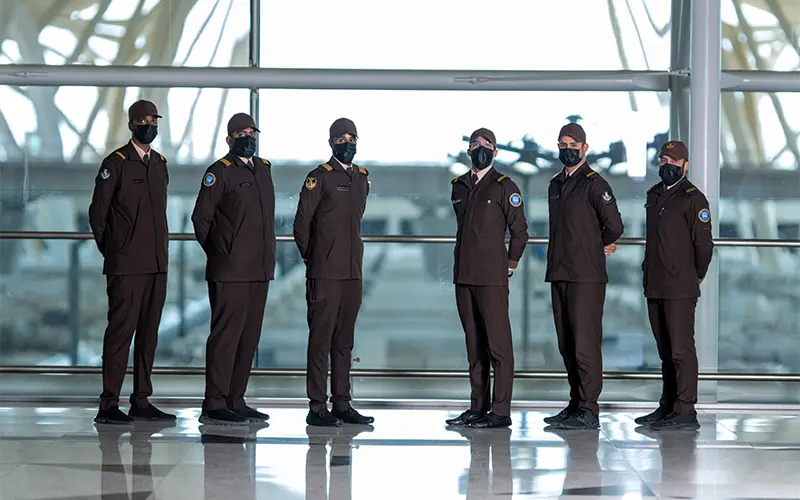
إجابة سريعة: تتراوح تكلفة حراس الأمن في المملكة العربية السعودية عادةً بين 1800 و3200 ريال سعودي للحارس الواحد شهرياً للتغطية القياسية غير المسلحة، أو بين 40 و80 ريال سعودي للساعة الواحدة للانتشار قصير الأجل أو لتغطية الفعاليات. ويعتمد السعر النهائي على نوع التغطية والموقع وعدد الحراس المطلوبين.
عندما تطلب الشركات عروض أسعار لخدمات الأمن في المملكة العربية السعودية وتتلقى عروضًا بأسعار متفاوتة بشكل ملحوظ، يميل المرء بطبيعته إلى افتراض أن مقدم الخدمة الأرخص قد حقق كفاءة لم يحققها الآخرون. لكن هذا نادرًا ما يكون صحيحًا. فتباين الأسعار في سوق الأمن يعكس تباين الخدمات المقدمة - ما هو مُدرج، وما تم تقليصه، وما تم حذفه تمامًا دون ذكره في وثيقة العرض.
إن فهم تكلفة الأمن على مدار الساعة وطوال أيام الأسبوع وسبب وجود هذا التباين يساعدك على اتخاذ قرارات أفضل وتجنب دفع ثمن نتيجة لن تتحقق.
لمقارنة الخيارات، راجع باقات الحراسات الأمنية لدينا، وتعرّف على برامج الحراسة المأهولة أو استكشف خدمات الحراسات الأمنية في الرياض.
تكلفة التغطية الأمنية الحقيقية على مدار الساعة طوال أيام الأسبوع
تتطلب التغطية الأمنية على مدار الساعة لموقع واحد وجود عدة حراس يعملون بنظام المناوبات. يحدد قانون العمل السعودي ساعات العمل القياسية بشكل يجعل تغطية موقع يعمل على مدار الساعة من قبل حارس واحد أمرًا غير عملي من الناحية القانونية وغير آمن من الناحية التشغيلية. تتطلب حسابات التغطية الأمنية على مدار الساعة ما يلي:
ل ثلاث نوبات عمل مدة كل منها 8 ساعاتيتطلب كل موقع حراسة ما لا يقل عن ثلاثة حراس يومياً، وغالباً أربعة لتغطية أيام الراحة والعطلات الرسمية وحالات الغياب. وهذا يعني أن الموقع الذي يعمل على مدار الساعة يحتاج إلى ما يقارب 4.2 وظيفة حارس لتغطية ساعات العمل النظرية البالغة 24 ساعة يومياً.
ل نوبتان عمل مدة كل منهما 12 ساعةينطبق حساب مماثل. لا يعمل كل حارس أكثر من ساعات عمله القانونية، ويتطلب نظام التناوب ما يعادل أربعة مواقع حراسة تقريبًا لكل مركز للحفاظ على التغطية المستمرة.
النطاق الشهري الإرشادي لعام 2026 لمنشور ثابت واحد يعمل على مدار الساعة طوال أيام الأسبوع: من 7500 إلى 12500 ريال سعودي شهرياً قبل ضريبة القيمة المضافة 15%.
يمثل الحد الأدنى لهذا النطاق النشر التجاري القياسي مع نموذج إشراف أساسي. أما الحد الأعلى فيمثل إشرافًا أكثر كثافة، أو جودة حراسة أعلى، أو متطلبات خاصة بالقطاع. وتستدعي المقترحات التي تقل بشكل ملحوظ عن 7000 ريال سعودي شهريًا لمركز واحد يعمل على مدار الساعة طوال أيام الأسبوع، تساؤلات مباشرة حول ما تم استبعاده.
تساهم علاوات العمل الليلي، وأسعار العطلات الرسمية، والتكاليف الإدارية الإضافية للتغطية المستمرة، في جعل ترتيبات العمل على مدار الساعة طوال أيام الأسبوع أكثر تكلفة بكثير مما قد توحي به نسبتها من أسعار العمل النهاري.
الأسباب الخمسة الحقيقية لتفاوت أسعار الحراسة الأمنية
هيكل الإشراف والاستثمار
إن العامل الأكثر أهمية في اختلاف الأسعار بين المقترحات المتشابهة هو كيفية هيكلة وتمويل الإشراف.
إن الشركة التي تحافظ على نسبة مشرف إلى حارس تبلغ 1:8، وتجري زيارات ميدانية منتظمة غير معلنة، وتوثق ملاحظات المشرفين لمراجعة العميل، لديها تكاليف تشغيلية أعلى بكثير من تلك التي يشرف فيها المشرفون اسميًا على 25 أو 30 حارسًا ويزورون المواقع على أساس شهري مجدول.
تصف الشركتان مفهوم "الإشراف" في مقترحاتهما. توفر الأولى آلية إشراف فعّالة تضمن استدامة أداء الحراس مع مرور الوقت. أما الثانية، فتُقدّم علامة امتثال تُلبّي متطلبات شكلية دون التأثير فعلياً على سلوك الحراس.
هذا الفرق وحده قد يُفسر ما بين 15 و25 بالمئة من فجوة التكلفة بين مقدمي الخدمات. كما أنه يُعدّ الفرق الأكثر تأثيراً في الخدمة من حيث تجربة العملاء الفعلية على مدار فترة استخدام الخدمة.
الاستثمار في التدريب وقدرات الحراسة
تُعتبر تكاليف التدريب داخلية لشركة الأمن، ولا يعلم بها العميل في مرحلة تقديم العرض. الشركات التي تُدير برامج تدريب أولية شاملة وتُحافظ على دورات تدريبية تنشيطية مستمرة، تتحمل تكاليف تشغيلية أعلى لكل حارس مقارنةً بالشركات التي تكتفي بالحصول على الحد الأدنى من التراخيص.
يُظهر الحارس المُدرَّب أداءً أفضل تحت الضغط، ويتعامل مع المواقف غير الاعتيادية بكفاءة أعلى، ويُعدّ تقارير أفضل عن الحوادث. ويلمس العميل هذه الفوائد على مدى أشهر، ولا تظهر مباشرةً عند توقيع العقد. أما الحارس الأقل تكلفة، وغير المُدرَّب تدريباً كافياً، فيؤدي عمله بشكل جيد إلى أن يقع أمر غير روتيني.
تعويضات الحراس واستبقائهم
يبقى الحراس الذين يتقاضون رواتب مساوية أو أعلى من متوسط السوق لفترة أطول في مواقع عملهم. ويؤدي الحراس ذوو الخبرة الطويلة، والذين يعرفون الموقع معرفة دقيقة - أنماط دخوله، وزواره الدائمين، ونقاط ضعفه المحددة - أداءً أفضل من الحراس الجدد الذين لا يزالون يتعرفون على البيئة.
ارتفاع معدل دوران الموظفين، والذي غالباً ما يرتبط بانخفاض الأجور عن المعدل السائد في السوق، يعني أن العملاء يحصلون بانتظام على حراس أمن في الأسابيع الأولى من عملهم في الموقع. ولا يمكن تعويض ميزة الألفة التي يوفرها العمل لفترات طويلة بإعادة تعيين أي شخص متاح حالياً.
عمق التغطية التأمينية
تُعدّ تكلفة التأمين الكافي ضد المسؤولية المهنية والمسؤولية العامة لعمليات الأمن باهظة. فالشركات التي تمتلك تغطية شاملة تتحمل نفقات تشغيلية أعلى من تلك التي لديها وثائق تأمين محدودة أو غير كافية. ويصبح هذا الفرق حاسماً في حال وقوع حادث خطير أثناء التنفيذ، إذ يعتمد مدى تعرض العميل للمخاطر بشكل كبير على مدى كفاية تأمين شركة الأمن.
تكاليف الامتثال لعملية التوطين
يتطلب الحفاظ على تصنيف نطاق البلاتينيوم أو الأخضر في نظام نطاقات استثمارًا حقيقيًا في استقطاب وتدريب واستبقاء الموظفين السعوديين. تتمتع الشركات ذات مستويات الامتثال الأقل بتكاليف عمالة أقل، لكنها تواجه قيودًا تشغيلية ومخاطر عدم استقرار تؤثر على استمرارية الخدمة.
قراءة عروض الأسعار الأقل من سعر السوق بشكل صحيح
إنّ عرض سعر يقلّ بنسبة تزيد عن 20% عن سعر السوق المماثل لتغطية مماثلة يعكس في الغالب فرقًا حقيقيًا في الخدمة. وأكثر الأماكن شيوعًا التي يختبئ فيها هذا الفرق هي:
الإشراف موصوفٌ ولكنه غير مدعومٍ بالموارد الكافية. التدريب الأولي يفي بالحد الأدنى من متطلبات الترخيص ولا يتجاوزه. يتقاضى الحراس أجوراً مساويةً أو أقل من الحد الأدنى للأجور، مما يؤدي إلى ارتفاع معدل دوران الموظفين. التغطية التأمينية موجودةٌ من الناحية الفنية ولكنها غير كافية للحوادث الخطيرة. الالتزام ببرنامج التوطين ضعيفٌ ويهدد استقرار الخدمة.
اسأل عن كل نقطة من هذه النقاط بالتفصيل. فالشركة التي تقدم إجابات واضحة ومحددة لجميعها - مدعومة بالأرقام لا بالوعود - تُظهر أن مستوى الخدمة حقيقي. أما الشركة التي تتجنب الإجابة، أو تعمم، أو تعد بالمتابعة، فقد أخبرتك بما تحتاج معرفته عن سبب انخفاض السعر.
الأسئلة الشائعة
لماذا تقدم شركتان عروض أسعار مختلفة تماماً لنفس المهمة الأمنية؟
لأنهم لا يقدمون الخدمة نفسها تمامًا. يصف الموجز المدخلات - عدد الحراس، وساعات العمل، ومواقع العمل. ما يختلف بين مقدمي الخدمات هو البنية التحتية التشغيلية المحيطة بهؤلاء الحراس - وتيرة الإشراف، وعمق التدريب، وجودة الحراس، والتأمين، وقدرة الشركة على الحفاظ على أداء ثابت مع مرور الوقت.
هل مزود خدمات الأمن الأغلى ثمناً هو الأفضل دائماً؟
لا، لا يدل السعر المرتفع بالضرورة على جودة الخدمة. معايير التقييم - كهيكل الإشراف، وبرنامج التدريب، وحالة نطاقات، ومراجع من عمليات نشر مماثلة - هي التي تحدد الجودة، وليس السعر وحده. فالسعر الأقل نادرًا ما يكون الأفضل قيمة، والسعر الأعلى ليس بالضرورة كذلك.
ما هو الحد الأدنى للميزانية التي يجب أن أخصصها لتوفير الأمن على مدار الساعة طوال أيام الأسبوع في موقع واحد في المملكة العربية السعودية؟
يُعتبر راتب 7500 ريال سعودي شهريًا قبل ضريبة القيمة المضافة حدًا أدنى معقولًا لوظيفة واحدة في عام 2026. أما الوظائف التي تتطلب معايير قطاعية محددة، أو إشرافًا يفوق المعايير المعتادة، أو تدريبًا متخصصًا، فستكون رواتبها أعلى. أما العروض التي تقل عن 6500 ريال سعودي شهريًا، فتستدعي استفسارات مباشرة حول ما تم استبعاده.
هل يتغير سبب اختلاف الأسعار فيما يتعلق بأمن الفعاليات؟
تنطبق نفس العوامل الأساسية - الإشراف، والتدريب، وكفاءة الحراس، والتأمين. أما بالنسبة لأمن الفعاليات، فيُعدّ عامل التباين الإضافي هو الخبرة في نوع الفعالية وقدرة إدارة الحشود. قد تُقدّم شركة ذات خبرة مثبتة في أمن الفعاليات واسعة النطاق عرض سعر أعلى من شركة أخرى لا تمتلك هذه الخبرة، ومن المرجح أن يكون هذا الفرق في التكلفة مُبررًا باختلاف القدرات المتخصصة.
كيف تؤثر ضريبة القيمة المضافة على مقارنات أسعار الحراسة الأمنية؟
تخضع جميع خدمات الأمن التجاري في المملكة العربية السعودية لضريبة القيمة المضافة (15%). عند مقارنة العروض، تأكد من أن كل عرض يشمل ضريبة القيمة المضافة أو لا يشملها. إن مقارنة عرض يشمل الضريبة مع عرض لا يشملها يُحدث فرقًا مضللًا في السعر بقيمة 15% لا علاقة له بالخدمة.
الاستنتاجات النهائية
تتراوح تكلفة خدمات الأمن على مدار الساعة في المملكة العربية السعودية بين 7,500 و12,500 ريال سعودي شهريًا لكل موقع قبل إضافة ضريبة القيمة المضافة في عام 2026، ويعكس هذا التفاوت اختلافات حقيقية في مستوى الخدمة. ولا يُعدّ تفاوت الأسعار بين مزودي الخدمات عشوائيًا، بل يعكس الاستثمار في الإشراف، ومعايير التدريب، وأجور الحراس، وتغطية التأمين، ومدى الالتزام بمعايير التوطين. إن فهم العوامل المؤثرة في هذا التفاوت يمكّنك من تقييم العروض بناءً على محتواها الفعلي وليس على السعر المعلن، واتخاذ قرار يحقق لك مستوى الأمن الذي تستحقه.