يشمل مصطلح "التحكم في الوصول" كل شيء بدءًا من المفتاح في القفل وصولًا إلى نظام الدخول البيومتري المتصل بمنصة إدارة مركزية. وتشترك جميع أشكال التحكم في الوصول في هدف أساسي واحد: ضمان وصول الأشخاص المصرح لهم فقط إلى الأماكن والأصول المصرح لهم بالوصول إليها، وتوثيق تحركاتهم ومواقعها وتوقيتها.
يُعدّ ضبط نظام التحكم بالوصول بشكل صحيح من أهمّ الإجراءات التي يمكن للشركات اتخاذها لتعزيز أمنها. أما إهمال هذا الضبط، أو اعتباره مشكلة محلولة بينما هو ليس كذلك، فهو من أكثر الأسباب شيوعاً للحوادث الأمنية التي يمكن تجنّبها.
المكونات الثلاثة لأي نظام للتحكم في الوصول
يتضمن كل نظام للتحكم في الوصول، بغض النظر عن مستوى التكنولوجيا، ثلاثة مكونات: بيانات الاعتماد، والحواجز، والتحقق.
أوراق اعتماد تُعدّ وسائل إثبات الصلاحية هي المفتاح، أو الرقم السري، أو بطاقة الدخول، أو المعرّف البيومتري، أو وثيقة الهوية. وتكمن قوة هذه الوسائل في مدى صعوبة نقلها إلى شخص غير مُصرّح له. فالمفتاح قابل للنسخ، والرقم السري قابل للمشاركة أو الاطلاع عليه، بينما لا يمكن نقل المعرّف البيومتري. ويُحدّد نوع وسيلة إثبات الصلاحية مدى قوة هذه الصلاحية.
الحواجز هي ما يُفعّل فعلياً نظام التحكم بالدخول - الأبواب، والبوابات، والبوابات الدوارة، وحواجز المركبات، أو أي آلية أخرى تمنع المرور غير المصرح به. فبدون حاجز، تصبح بيانات الاعتماد عديمة الجدوى لعدم وجود ما يُفتح. وبدون بيانات الاعتماد، تتحول الحواجز إلى عقبات أمام المستخدمين المصرح لهم.
تَحَقّق تتمثل آلية التحقق في النظام في التأكد من أن بيانات الاعتماد المقدمة تعود لشخص مُصرَّح له، وأنها تنطبق على طلب الوصول. يُعد التحقق الآلي (باستخدام قارئ بطاقات للتحقق من قاعدة بيانات) سريعًا ودقيقًا. أما التحقق البشري (باستخدام حارس للتحقق من وثيقة هوية) فهو أبطأ، ولكنه يُتيح استخدام مهارات تقديرية لا يُمكن للأتمتة القيام بها.
تتضمن أكثر حالات فشل التحكم في الوصول شيوعًا نقاط ضعف في أحد هذه المكونات الثلاثة: بيانات الاعتماد التي يتم نقلها بسهولة بالغة، أو الحواجز التي بها ثغرات، أو التحقق السطحي أو غير المتسق.
أنواع تقنيات التحكم في الوصول
أنظمة المفاتيح والأقفال
أقدم أشكال الأقفال وأبسطها. مفتاح مادي يفتح قفلًا ماديًا. من مزاياها البساطة وانخفاض التكلفة. أما عيوبها فهي كبيرة: يمكن نسخ المفاتيح، وفقدانها يستلزم إعادة برمجة النظام بأكمله، ولا يوجد سجل تدقيق لمن استخدم المفتاح ومتى، ولا يمكن منح الوصول أو إلغاؤه إلا بتبادل المفاتيح المادية.
بالنسبة للمساحات الفردية أو الأبواب الداخلية ذات مستوى الأمان المنخفض، تظل الأقفال مناسبة. أما بالنسبة للتحكم الأساسي في الوصول حيث تكون المساءلة وسجلات التدقيق مهمة، فإنها عادةً ما تكون غير كافية.
التحكم الإلكتروني في الوصول
أجهزة قراءة البطاقات، وأجهزة التحكم عن بُعد، وأنظمة إدخال الرقم السري، وأنظمة الأرقام السرية التي تمنح الوصول بناءً على بيانات اعتماد إلكترونية. تحتفظ هذه الأنظمة بقاعدة بيانات مركزية للصلاحيات، ويمكن تعديلها فورًا - إضافة أو إلغاء الوصول دون الحاجة إلى تبادل المفاتيح المادية. كما تُنشئ سجلًا تدقيقيًا لكل عملية وصول. ويمكن برمجتها لتقييد الوصول حسب الوقت أو اليوم أو باب محدد.
تُعدّ هذه الطبقة التقنية الأكثر شيوعًا للتحكم في الوصول التجاري في بيئات الشركات والمؤسسات الصناعية في المملكة العربية السعودية. وتعتمد فعالية النظام على إدارة بيانات الاعتماد؛ إذ إنّ عدم إلغاء صلاحيات الوصول عند مغادرة الموظفين، أو مشاركة بيانات الاعتماد بين الأفراد، يُضعف الأمن الذي صُمّم النظام لتوفيره.
أنظمة القياسات الحيوية
تستخدم أنظمة بصمات الأصابع، والتعرف على الوجه، ومسح قزحية العين، أو بصمة راحة اليد، الخصائص الفيزيائية كبيانات تعريف. لا يمكن نقل بيانات التعريف البيومترية، أو فقدانها، أو نسيانها. وهي توفر أقوى ضمانة بأن الشخص الذي يدخل إلى مكان ما هو الشخص المصرح له بالدخول، وليس شخصًا يستخدم بيانات تعريفه.
وتشمل القيود التكلفة، والحاجة إلى تسجيل جميع المستخدمين المصرح لهم، واحتمالية حدوث رفض خاطئ (رفض وصول المستخدمين المصرح لهم)، واعتبارات الخصوصية التي يجب معالجتها في تصميم النظام وتشغيله.
أنظمة إدارة الزوار
فيما يخص دخول الزوار تحديداً، تقوم أنظمة إدارة الزوار الرقمية بتسجيل الزوار قبل وصولهم أو عند وصولهم، وتوثيق هويتهم، وإنشاء بيانات اعتماد مؤقتة، وتسجيل دخولهم وخروجهم، وإخطار الجهات الداخلية المسؤولة عن استقبالهم. وتُنشئ هذه الأنظمة سجلاً موثقاً لا يمكن لسجلات الزوار اليدوية الاحتفاظ به بشكل موثوق.
أين يندرج حراس الأمن؟
تُعدّ أنظمة التحكم الإلكتروني في الوصول أدوات فعّالة ذات قيدٍ مُحدّد: فهي تُعالج بيانات الاعتماد دون إجراء أيّ تقييم. وعادةً ما يقبل النظام بيانات اعتماد صحيحة يُقدّمها مُستخدم غير مُصرّح له - بسبب استعارة البطاقة أو سرقتها أو استنساخها.
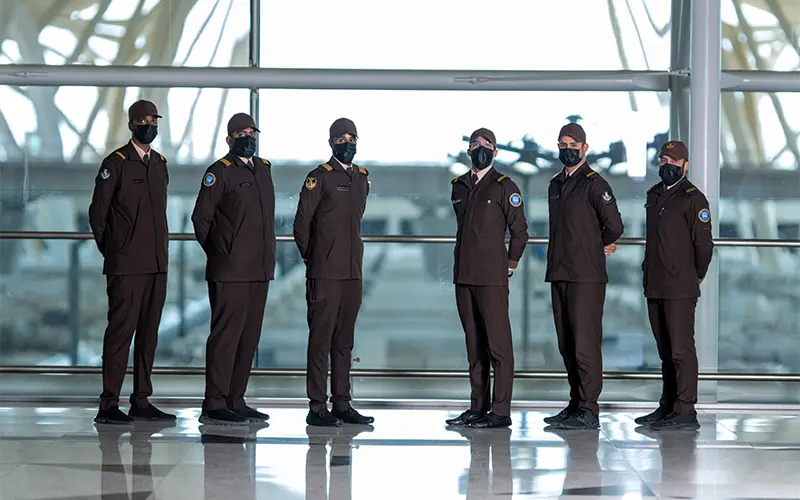
يُقدّم حراس الأمن مستوىً من التقييم لا تستطيع التكنولوجيا القيام به. فالحارس الذي يُدرك أن الشخص الذي يُقدّم وثيقة اعتماد لا يُطابق الشخص الذي تنتمي إليه، أو الذي يُلاحظ سلوكًا لا يتناسب مع النمط المعتاد للوافدين، يُمارس التقييم السياقي الذي يتجاوز قدرة أي نظام آلي.
تجمع أنظمة التحكم في الوصول الأكثر فعالية بين التكنولوجيا والحراس في أدوار متكاملة. تتولى التكنولوجيا عملية التحقق الروتيني بسرعة وتُنشئ سجل التدقيق. أما الحراس فيُديرون الاستثناءات، ويُحسنون التصرف في المواقف الغامضة، ويُوفرون رادعًا مرئيًا، ويُديرون تفاعلات الزوار بطريقة لا تستطيع التكنولوجيا محاكاتها.
بالنسبة لنقاط الدخول ذات التدفق العالي - كالمباني الإدارية التي تستقبل مئات الزوار يوميًا - تعالج الأنظمة الآلية حجم البيانات الذي لا تستطيع الإدارة البشرية وحدها استيعابه. ويتولى الحراس إدارة الحالات التي يرصدها النظام الآلي، ويقدمون الانطباع الأول الاحترافي الذي تتطلبه تجربة الزائر.
أعطال شائعة في أنظمة التحكم بالوصول
ثغرات في إدارة بيانات الاعتماد. يُعدّ عدم إلغاء صلاحيات الوصول عند مغادرة الموظفين من أكثر حالات فشل التحكم في الوصول شيوعًا. ويُمثّل الموظف السابق الذي يمتلك صلاحيات وصول سارية خطرًا داخليًا كبيرًا.
بيانات اعتماد مشتركة. إن مشاركة البطاقات أو أرقام التعريف الشخصية بين الأفراد تُفقد نظام التحكم في الوصول غرضه المتمثل في المساءلة الفردية. يجب أن يُنسب كل حدث دخول إلى فرد محدد حتى يكون لسجل التدقيق معنى.
نقاط وصول ثانوية غير مُدارة. يؤدي المدخل الرئيسي المزود بنظام تحكم قوي في الوصول وباب ثانوي مفتوح لتوفير الراحة إلى التحكم في الوصول عند المدخل وفجوة عند الباب الثانوي.
تطبيق غير متسق. إن تطبيق نظام التحكم في الوصول بشكل صارم على بعض الزوار والتغاضي عنه بالنسبة للآخرين بناءً على المكانة الظاهرة أو الألفة يزيل الاتساق الذي يجعل النظام فعالاً.
الأسئلة الشائعة
ما هو أهم إجراء للتحكم في الوصول لمكتب شركة في المملكة العربية السعودية؟
إدارة متسقة وموثقة للزوار عند المدخل الرئيسي، بالإضافة إلى نظام تحكم إلكتروني فعال في الوصول إلى المناطق الداخلية الحساسة. يضمن هذا النظام التحكم في الوصول الخارجي والحد من المخاطر الداخلية الناجمة عن أي خلل في نظام التحكم بالدخول عند المدخل.
كيف ينبغي أن تتعامل أنظمة التحكم بالدخول مع المقاولين والعمال المؤقتين؟
بنفس دقة تطبيق إجراءات الموظفين الدائمين، ولكن باستخدام بيانات اعتماد مؤقتة ذات تواريخ انتهاء صلاحية محددة بدلاً من بيانات الاعتماد الدائمة. يجب أن تحدد صلاحيات وصول المتعاقدين بدقة المناطق المصرح لهم بالوصول إليها وساعات العمل. يجب أن تنتهي صلاحية بيانات الاعتماد تلقائيًا بنهاية فترة الصلاحية.
هل يؤثر نظام التحكم في الدخول على مخارج الطوارئ؟
نعم، وهذا يتطلب تصميمًا دقيقًا. يجب ألا يُعيق نظام التحكم بالدخول الذي يُقيّد الدخول مخرج الطوارئ. ينبغي لأي باب يُتحكم فيه بنظام دخول أن يسمح بالخروج الحر من الداخل بغض النظر عن حالة تصريح الدخول. إن عدم مراعاة ذلك في التصميم يُشكّل خطرًا على السلامة ويُخالف اللوائح.
متى تحتاج الشركات إلى أنظمة التحكم في الوصول البيومترية بدلاً من الأنظمة القائمة على البطاقات؟
عندما يبرر مستوى المخاطر التكلفة الأعلى وتعقيد التنفيذ، وعندما يشمل التهديد المحدد نقل بيانات الاعتماد أو مشاركتها. بالنسبة للمساحات التي تحتوي على بيانات حساسة للغاية، أو أصول عالية القيمة، أو بيئات تُعد فيها المساءلة الفردية أمرًا بالغ الأهمية، توفر أنظمة القياسات الحيوية أقوى ضمان لبيانات الاعتماد.
ما هو الدور الذي يلعبه حراس الأمن في نظام التحكم في الوصول باستخدام التكنولوجيا المتقدمة؟
يُقدّم الحراس طبقة التقييم، حيث يُحدّدون حالات الشذوذ في بيانات الاعتماد، ويديرون تفاعلات الزوار باحترافية، ويُراعون التقدير في طلبات الوصول التي تخرج عن النمط المعتاد، ويستجيبون للحوادث المتعلقة بالوصول. تتولى التقنية معالجة الكم الهائل من البيانات وإنشاء السجلات، بينما يتعامل الحراس مع الاستثناءات ويُوفّرون الحضور البشري الذي لا تستطيع التقنية محاكاته.
الاستنتاجات النهائية
لا يقتصر التحكم في الوصول على شراء التكنولوجيا فحسب، بل هو نظام يجمع بين بيانات الاعتماد والحواجز والتحقق لضمان وصول الأشخاص المصرح لهم فقط إلى الأماكن والأصول المخصصة لهم. تُسهم التكنولوجيا في جعل هذا النظام أسرع وأكثر قابلية للتوسع وأفضل توثيقًا. أما حراس الأمن فيجعلونه أكثر ذكاءً واحترافية وقدرة على التعامل مع المواقف التي لا تُصمم التكنولوجيا لتقييمها. ويجمع نظام التحكم في الوصول الأكثر فعالية بين هذين العنصرين، حيث يؤدي كل منهما دوره المناسب.